A Beginner’s Guide to Choosing the Right Graphic Designer Course
Starting your path into graphic design is exciting, but selecting the right training can feel like a challenge. With many options available, making an informed choice sets the foundation for your skill development.
A well-chosen graphic designer course provides the essential tools and knowledge you need. This guide helps you with the selection process by focusing on key criteria. Your decision will shape your initial learning experience, so consider these points carefully.
Define Your Goals First
Before reviewing any syllabus, clarify your personal aims. Ask yourself what you want the course to achieve for you. Do you seek a complete career shift, or do you want to develop skills for a specific project? Some courses prepare students for full-time design roles, while others focus on single areas like logo creation or digital illustration. Understanding your desired outcome helps you immediately filter options and invest your resources wisely.
Check the Core Curriculum
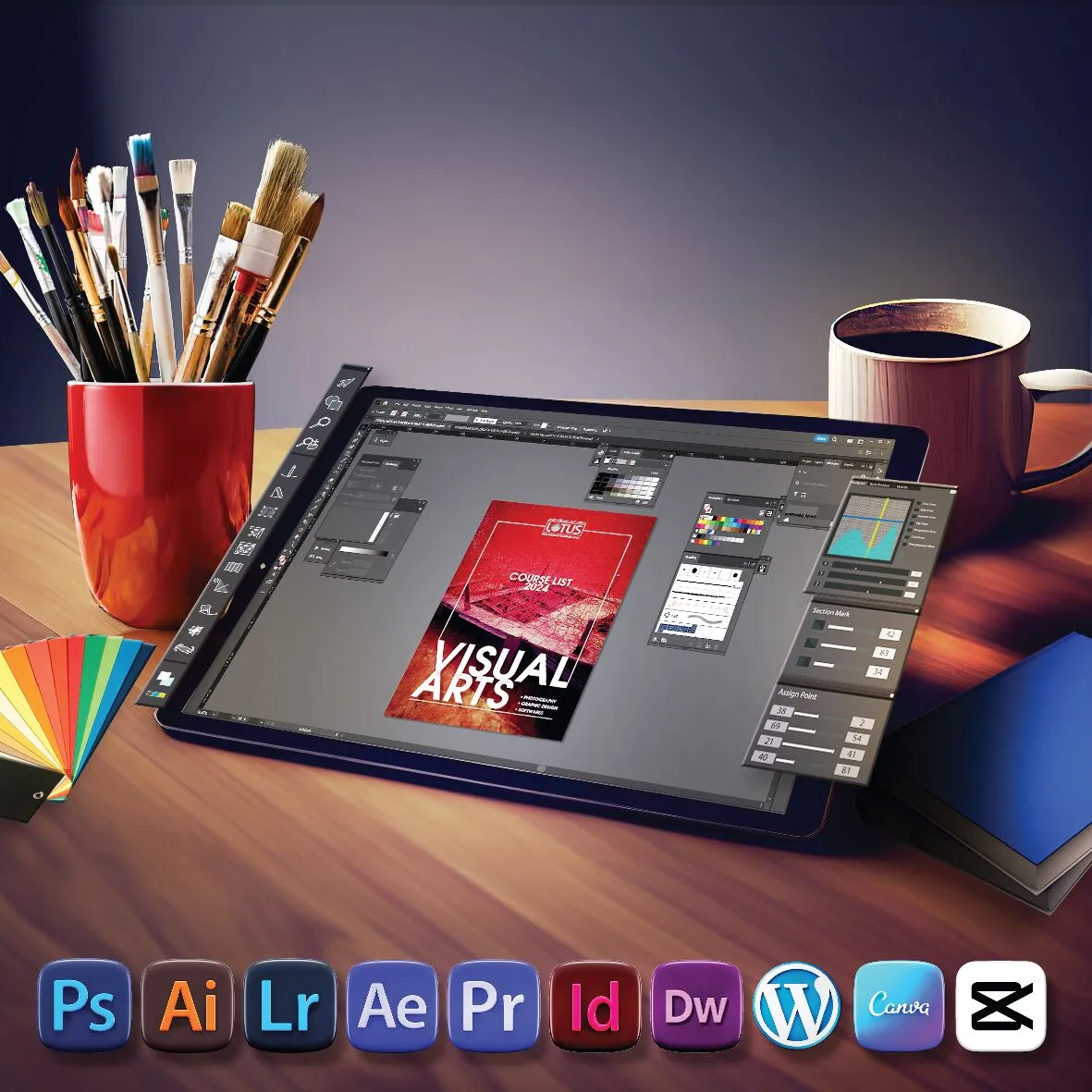
Examine the topics the course covers. A strong foundation typically includes principles like typography, color theory, layout, and composition. Software proficiency is also crucial; check if the course teaches industry-standard tools such as Adobe Illustrator, Photoshop, and InDesign. Ensure the curriculum balances theoretical concepts with practical application.
Assess the Learning Format
Your schedule and learning style determine the best format for you. In-person classes offer direct mentorship and networking, but online courses provide greater flexibility. Self-paced programs let you learn on your own time, while cohort-based courses with deadlines create structure and community. Decide which environment will keep you motivated and engaged throughout the program.
Investigate Instructor Credentials
The instructor’s real-world experience adds immense value to the course content. Research their professional background. Have they worked with recognized brands or agencies? Do they have a current portfolio? An instructor with active industry experience provides relevant insights, current best practices, and may offer valuable professional connections.
Evaluate Outcomes and Support
A good course does more than present information; it supports your progress. Look for programs that include project feedback, portfolio reviews, or career advice. Read reviews from past students to gauge their satisfaction and success. Some courses offer certification, which can bolster a beginner’s resume.
Choosing your first graphic design program requires careful thought. By setting clear goals, scrutinizing the curriculum, and matching the format to your life, you find a course that aligns with your aspirations. This deliberate approach leads to a rewarding learning experience and a strong start in building your design capabilities.